Solutions for Kittens
A raw food diet for kittens is easy with Big Dog Pet Foods’ range of complete and balanced meals for kittens and cats.

Big Dog raw food for kittens

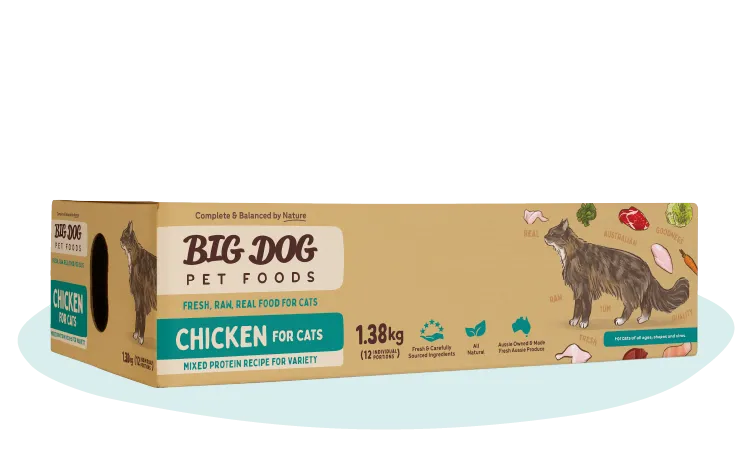

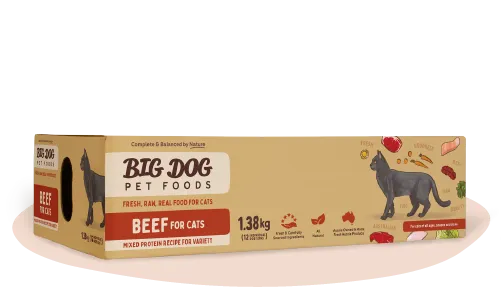
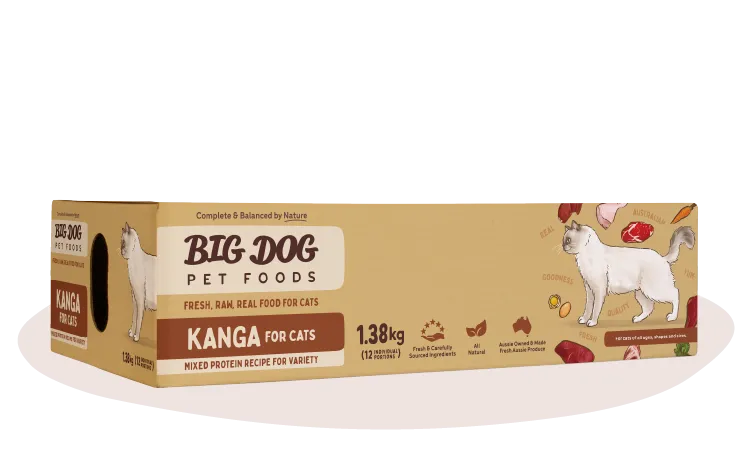
A raw, healthy diet is the most natural way to feed our cats. Cats are little carnivores, and mimicking their natural diet provides them with the best foundation for overall health. Our diets for cat are all complete and balanced, made with approximately 95% animal product, and the other 5% is vegetables and healthy ingredients to help balance the meals naturally.
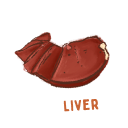
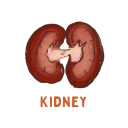
Ingredients that may support your kitten
Big Dog recipes are made with high-quality, Aussie produce sourced from the human-supply chain to provide pets with fresh, raw meals that replicate their natural diet.



Learn More
Our team, along with trusted veterinarians, has created a wealth of educational resources to help pet parents support the care of their kittens.

Guide for new kitten parents
How much do I feed my kitten? What do I feed my kitten? Where do I start? This guide for new kitten parents answers all your questions about raw feeding.

What's your cat's poo telling you?
One of the best insights into your cat’s health is in their litter box. This guide to your cat’s poo tells you what’s normal, what’s a little weird but ok if it’s a one-off, and when to speak to your vet. Learn what your cat’s poo is telling you.
Veterinarian advice on caring for cats
Testimonials
Frequently Asked Questions
Whether you’re just starting your raw feeding journey or looking to make the switch to a more natural diet, we’ve got all your questions covered.
Can I feed my kitten Big Dog for Cats?
We generally recommend our food is suitable for kittens from 12 weeks of age.
If your kitten was weaned onto a raw diet, you can generally transition straight to a 100% Big Dog Diet.
If your kitten was weaned onto a cooked or processed diet (canned food, dry food, cooked rolls) then we recommend to transition more slowly.
A raw food diet is very different to a processed cooked diet and any sudden change in diet can create stomach upsets and gradually transitioning helps to minimise this.
Please follow these guidelines, whilst monitoring your kitten's stools. You should begin to notice smaller, less smelly stools as you transition towards a 100% raw food diet. Loose stools are OK during the transitioning period, but do make sure there is no persistent, watery stools.
Day 1-3: 20% New Diet 80% Old Diet
Day 4-6: 40% New Diet 60% Old Diet
Day 7-9: 60% New Diet 40% Old Diet
Day 10-12: 80% New Diet 20% Old Diet
Day 12+: 100% New Diet
The younger the kitten, generally the easier they are to transition. If you have an older cat or a particularly fussy kitten, please refer to our transition guide here.
How often do I feed my kitten?
Puppies and kittens should be fed more regularly than adults, we recommend feeding three-four smaller meals until they are about 6 months old, then we recommend reducing your pet to being fed twice per day until they are an adult. You may continue to feed once or twice a day from there.
Allowing pregnant and lactating pets to feed as often as they want is ideal.
Kittens require more food, more regularly than an adult cat due to the amount of growing and developing they will be doing in the first 6 or so months of their lives. Making sure they get adequate nutrients regularly in this life stage is essential.
Why do you include vegetables in your cat foods?
The reason we add a very small amount of vegetables in our cat food is for the health benefits, vitamin, mineral and antioxidant content, and to add a little bit of fibre to their diet. They help us to balance our pet’s meals naturally.