What is your cat’s poo telling you?
Understanding your cat's poo
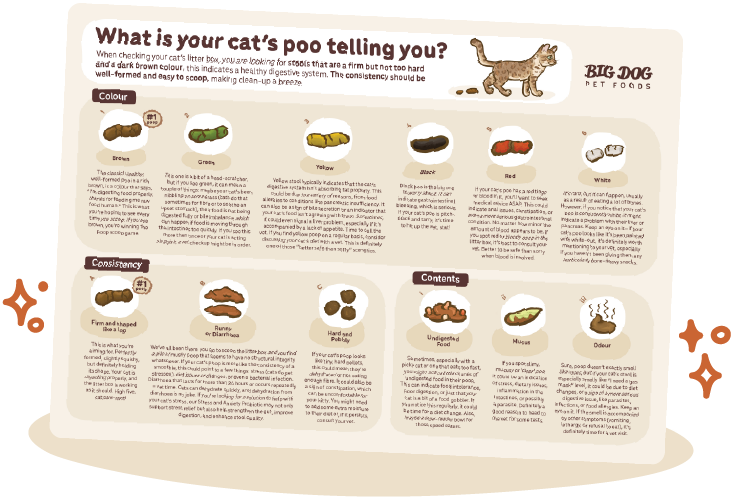
This guide to your cat's poo will provide plenty of insight in their health and digestive system. When checking your cat’s litter box, you are looking for stools that are a firm but not too hard and a dark brown colour. The consistency should be well-formed and easy to scoop, making clean-up a breeze. Keep reading to discover what the 3 C's (colour, consistency and contents) can tell you about their health, and how to keep their litter box habits in tip-top shape!
1. Colour
Your cat’s poo can come in a variety of colours, each of which might be sending you a signal about their overall health.
|
Brown: The classic! Healthy, well-formed poo in a rich brown is a colour that says, “I’m digesting food properly, thanks for feeding me raw food, human.” This is what you’re hoping to see every time you scoop. If you see brown, you're winning the poop scoop game. |

|
Green: This one is a bit of a head-scratcher, but if you see green, it can mean a couple of things: maybe your cat’s been nibbling on some grass (cats do that sometimes for fibre or to soothe an upset stomach), their food is not being digested fully, or there is a bile imbalance, which can happen if food is moving through the intestines too quickly. If you see this more than once, or your cat is acting sluggish, a vet check-up might be in order. |

|
Yellow: Yellow stool typically indicates that your cat's digestive system isn’t absorbing fat properly. This could be due to a variety of reasons, from food allergies to conditions like pancreatic insufficiency. It can also be a sign of altered bile secretion or that your cat's food isn't agreeing with them. Sometimes, it may even signal a liver problem, especially if it’s accompanied by a lack of appetite. Time to call the vet. If you find yellow poo on a regular basis, consider discussing your cat’s diet with your veterinarian. This is definitely one of those "better safe than sorry" scenarios. |

|
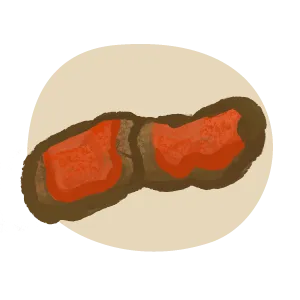
Black: Black poo is the big one to worry about. It can indicate gastrointestinal bleeding, which is serious. If your cat’s poo is pitch black and tarry, it’s time to hit up the vet, stat! |
|
Red: If your cat's poo has a red tinge or contains blood, you’ll want to seek veterinary advice ASAP. This could indicate anal issues, constipation, or even a more serious gastrointestinal condition. No matter how minor the amount of blood appears to be, if you spot red or bloody poo in the litter box, it’s best to consult your vet. Better to be safe than sorry when blood is involved. |
|
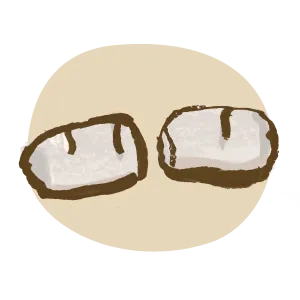
White: It’s rare, but it can happen, usually as a result of eating a lot of bones. However, if you notice that your cat’s poo is consistently white, it might indicate a problem with their liver or pancreas. Keep an eye on it. If your cat's poo looks like it’s been painted with white-out, it’s definitely worth mentioning to your vet, especially if you haven’t been giving them any particularly bone-heavy snacks. |
2. Consistency
|
|
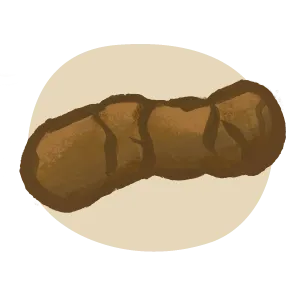
Firm and Shaped Like a Log: This is what you're aiming for. Perfectly formed, slightly squishy, but definitely holding its shape. Your cat is digesting properly, and the litter box is working as it should. High five, cat paw-rent! |

|
Runny or Diarrhoea: We’ve all been there: you go to scoop the litter box, and you find a pile of mushy poo that seems to have no structural integrity whatsoever. If your cat’s poo is more like the consistency of a smoothie, this could point to a few things: stress (cats do get stressed), diet issues or changes, or even a bacterial infection. Diarrhoea that lasts for more than 24 hours or occurs repeatedly = vet time. Cats can dehydrate quickly, and dehydration from diarrhoea is no joke. If you're looking for a solution to help with your cat's stress, our Stress and Anxiety Probiotic may not only support stress relief but also help strengthen the gut, improve digestion, and enhance stool quality. |
|
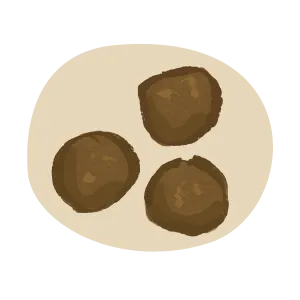
Hard and Pebbly: If your cat’s poo looks like tiny, hard pellets, this could mean they’re dehydrated or not eating enough fibre. It could also be a sign of constipation, which can be uncomfortable for your kitty. You might need to add some extra moisture to their diet or, if it persists, consult your vet. |
3. Contents
|
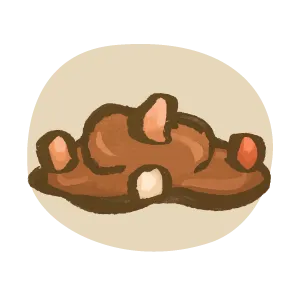
Undigested Food: Sometimes, especially with a picky cat or one that eats too fast, you might notice little chunks of undigested food in their poo. This can indicate food intolerance, poor digestion, or just that your cat is a bit of a food gobbler. If you notice this regularly, it could be time for a diet change. Also, maybe a slow-feeder bowl for those speed eaters. |

|
Mucus: If you spot slimy, mucusy or "clear" poo, it could be an indication of stress, dietary issues, inflammation in the intestines, or possibly a parasite. Definitely a good reason to head to the vet for some tests. |
|
Odour: Sure, poo doesn’t exactly smell like roses, but if your cat's stool is especially smelly—like "I need a gas mask" level—it could be due to diet changes or a sign of a more serious digestive issue, such as parasites, infections, or food allergies. Keep an eye on it. If the smell is accompanied by other symptoms (vomiting, lethargy, or refusal to eat), it's definitely time for a vet visit. |
What can you do?
You could feed your cat a raw food diet! There are so many health benefits to a raw diet for cats. This is primarily due to the natural, highly digestible ingredients in raw food, which are easier for a cat's digestive system to process compared to highly processed foods. Not only will your cat feel the positive health benefits, but you will also see it in their stools. Learn more about the benefits of a species appropriate Diet for cats.
Our Big Dog Probiotics are a great addition to your cat’s diet and are suitable even in small doses. They can help improve stool consistency, reduce inflammation, and support healthy digestion. With high-strength, species-specific strains, these probiotics are designed to promote optimal gut health for your pet.
How often should my cat poop?
Well, just like with humans, there’s no “one-size-fits-all” answer. Some cats go once a day, others every other day. The important thing is that there’s a regular schedule and consistency. If your cat suddenly starts pooping more or less than usual (and it's not a “hey, I’m stressed out and decided to rearrange my litter box” kind of situation), a trip to the vet might be necessary.
What is a perfect cat poo?
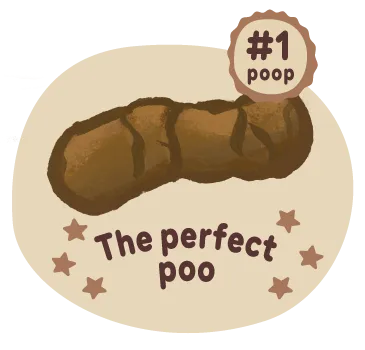
When feeding your cat a raw food diet, their poo should generally be smaller, firmer, and less odorous compared to when they are eating commercial kibble or canned food.
Here's a breakdown of what a perfect cat poo should look like:
Firm but not hard: The stool should have a firm, cylindrical shape but not be too dry or hard. If it's too soft or runny, it could indicate an issue with the balance of the diet or an intolerance.
Smaller size: Raw food is more bioavailable, meaning your cat’s body is able to absorb more of the nutrients. This often results in smaller stools compared to processed foods, as less waste is produced.
Less odour: Raw food tends to result in less smelly faeces because it’s more digestible. However, a slight smell is still normal, just not the overpowering odour that kibble-fed cats often have.
Colour: Healthy raw-fed cat poop is usually a medium brown colour. Some variation is normal.
Consistency: The stool should hold its shape but be easy to scoop. If it's overly loose or diarrhoea-like, that could signal an imbalance in the diet, too much fat, or an intolerance to a specific protein.
If everything is going well, their poo should reflect that they’re digesting and utilising the raw food effectively!
Tracking patterns in your cat's poo
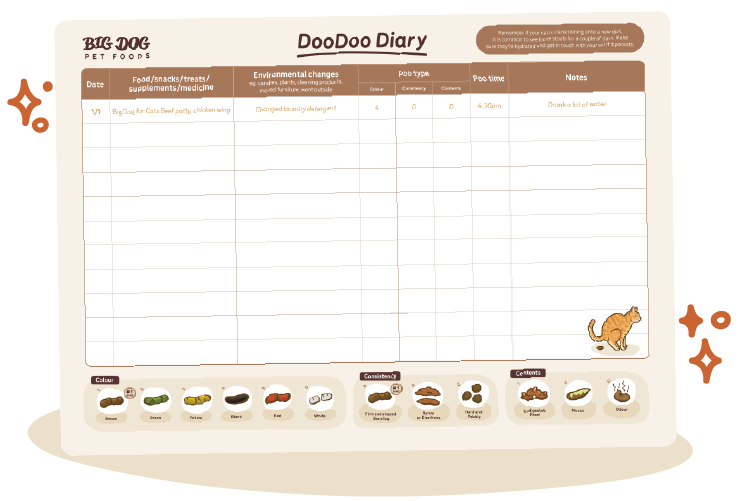
If you’re introducing a new diet, or concerned that your cat has the odd ‘not so perfect poo’, download our DooDoo Diary to track their patterns and take to your next vet visit. Remember, it’s not uncommon to see some loose stools when transitioning to a new diet but if it’s persistent or very watery then consult your vet.
Poop patrol is part of the job
As gross as it is, your cat's poo can reveal a lot about their health. So next time you're scooping the litter box, take a moment to inspect the "work of art" your cat has left behind, you're not just cleaning—you’re monitoring health in the most, let’s say, "fragrant" way possible. If something seems off, don’t panic. Poop can be a great indicator of your cat’s wellbeing, but only a vet can provide a proper diagnosis if something’s wrong.
Happy scooping!
Remembering the three C’s of your cat’s number 2’s is a great way to monitor your cat’s health, whether they are coping with changes in diet or if it’s time for a vet check-up. We’ve created this visual guide to help determine your cat's poo type.
Note: This blog is not meant to replace veterinary advice. If you're concerned about your cat's poop, don't hesitate to call the vet. They won’t judge you for asking about poo, they’ve seen it all!!
Related Guides
How to tell if your cat is sick?
A Veterinarian’s Advice on Caring for Cats