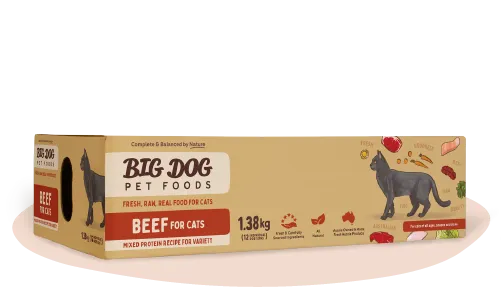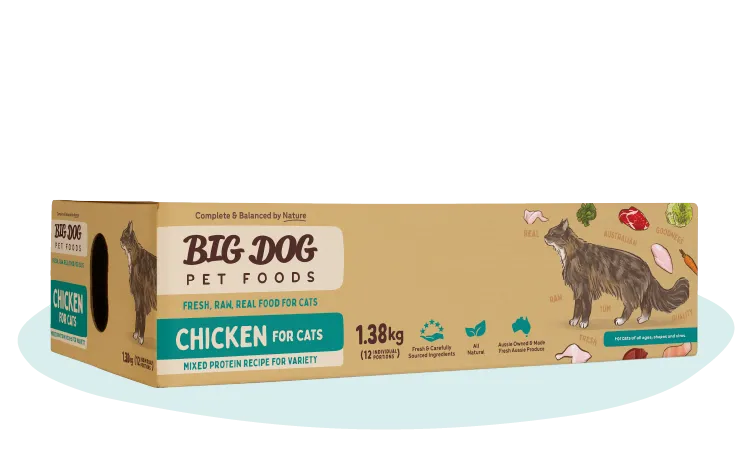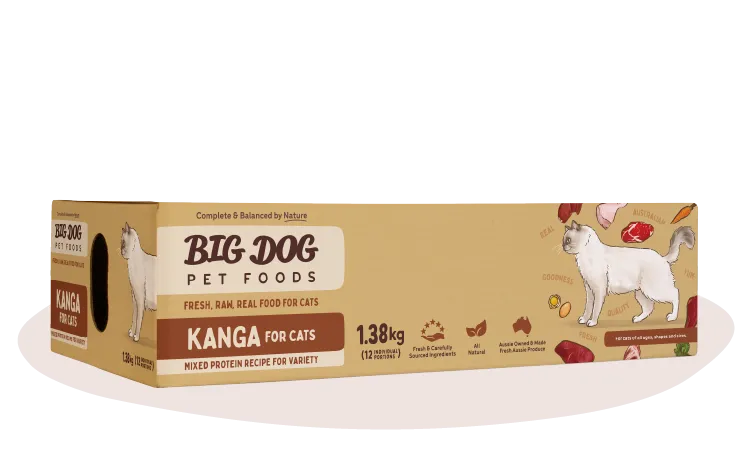

Beef Raw Cat Food
Price
Size
Typical Analysis
Metabolisable Energy

This table is a guide only. Check out our Feeding Calculator to find out how much Big Dog we recommend for your pet. Optimal feeding amounts may vary with age, size, breed, activity level and climate.
Store frozen
Be sure to keep raw food frozen until ready for thawing. Thaw before feeding, avoid re-freezing.
Defrost Properly
To thaw, place portion in a container and allow to thaw in the fridge. To accelerate the thawing process, place in sink of lukewarm water for 15 - 30 minutes, ensuring not to cook.
Storage and Safety
This is an all-natural product with no preservatives; once thawed it must be used within 2-3 days. Keep thawed portions in a sealed, airtight container in your refrigerator. Do not cook as our recipe contains bone. It is important to discard any thawed product that no longer look or smells fresh.
Wash Well
Standard safe hygienic practices should be followed at all times when handling fresh, raw food; ensure all utensils, work areas and hands are thoroughly washed with warm soapy water after being in contact with raw food.
Fine Print: PET FOOD ONLY not for human consumption. Contains raw offal and bone powder.
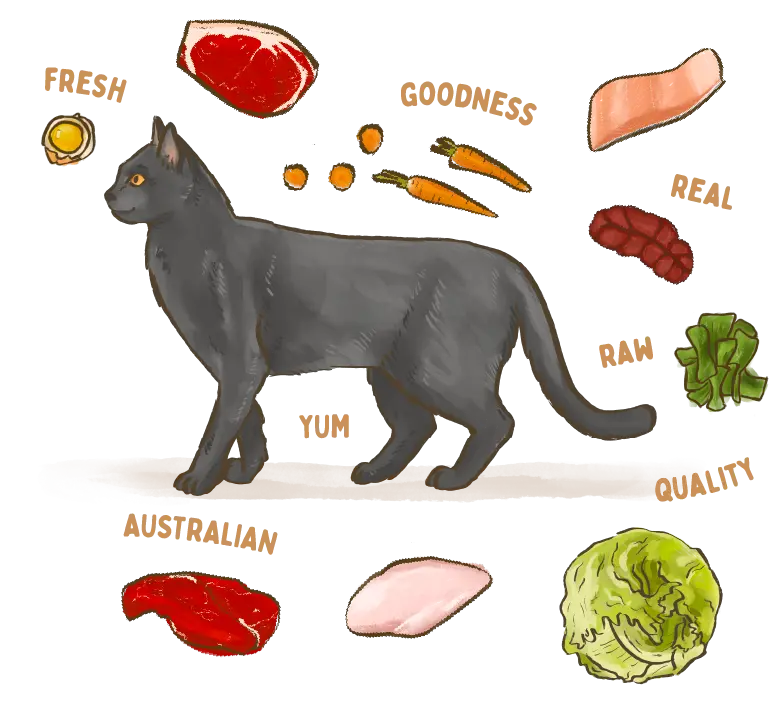
Purrfectly Delicious
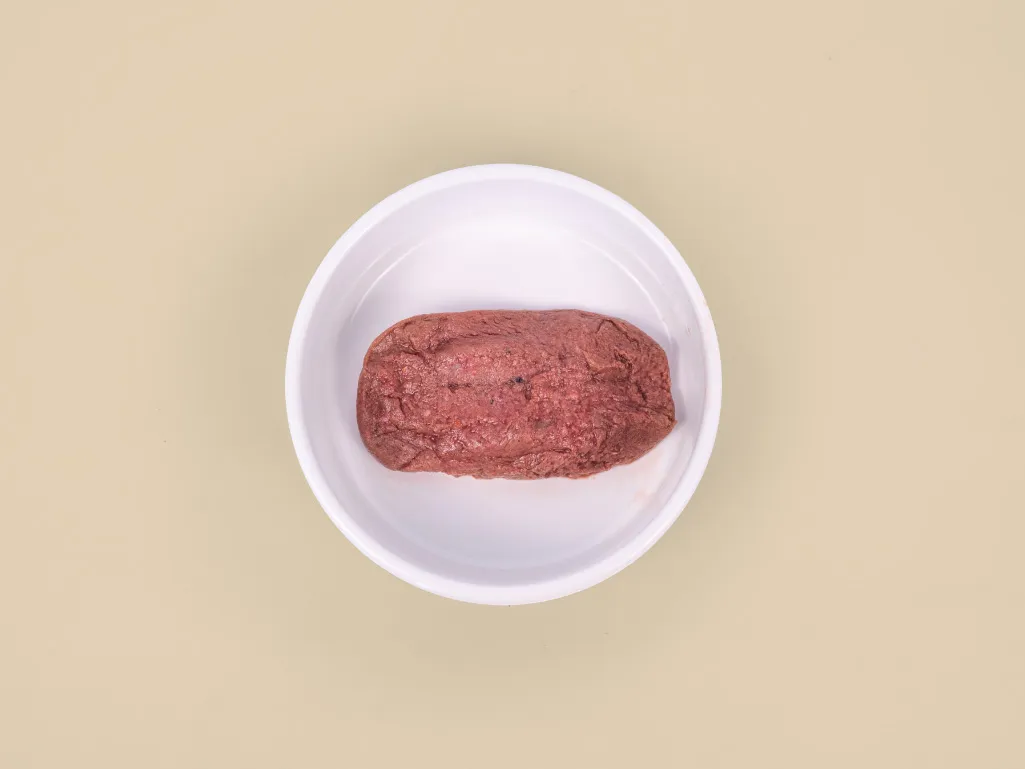
Your tiny carnivore will love Beef for Cats, a mixed protein recipe with the main protein source being beef. This recipe contains the benefit of lean muscle meat, vitamin and mineral-rich offal, calcium-rich raw bone powder as well as biologically appropriate amounts of vegetables, whole eggs and kelp, just to name a few.
- All-Aussie beef, RSPCA-approved chicken and ocean fresh Tasmanian salmon.
- Naturally high in the essential amino acid taurine.
- Mixed protein recipe - variety made convenient for you with maximum nutrition for your cat.
- All-natural nutrition from fresh, seasonal whole foods.
- Raw and unprocessed, no artificial nasties or fillers.
- Fresh, raw, real food for cats.
Big Dog is nutritionally complete and balanced in accordance with AAFCO guidelines for healthy growth in kittens and maintenance of health in adult cats.
High quality Raw Ingredients.. Always
At Big Dog we use high quality ingredients carefully sourced from the human supply chain from Australian farms and local producers.


Liver
Kidney
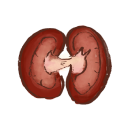

Spleen

Chicken


Tasmanian salmon




Carrots

Lettuce

Cold pressed flaxseed oil


Calcified red marine algae

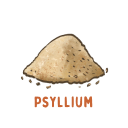
Psyllium

Goats whey

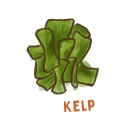
Kelp

Organic fulvic acid

.webp)
find out more

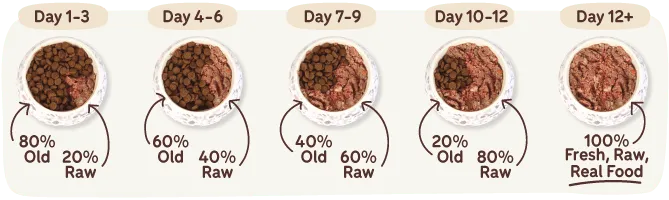
How to Transition to a Raw food diet
| Days | 1-3 | 4-6 | 7-9 | 10-12 | 12+ |
|---|---|---|---|---|---|
| New Diet | 20% | 40% | 60% | 80% | 100% |
| Old Diet | 80% | 60% | 40% | 20% | - |
FAQs
What is the difference between raw food diets for dogs and cats?
Cats are obligate carnivores, Big Dog Raw Food Diets for Cats are formulated to be higher in meat and lower in plant material. Big Dog Cat Food is also higher in particular amino acids that are essential for cats to consume in their diet - arginine and taurine. Because cats don’t produce these amino acids the way dogs do; which is why they need higher levels in their diets.
How do I transition my cat to your raw food?
The transition from kibble to raw can be long and challenging, we recommend a very slow transition. The primary reason for this is to avoid upset stomachs but also because rejection of the food is to be expected. Give your cat the time and space they need to figure out their new diet. That being said, you do not want to leave it for more than 24 hours without eating something. Cats need to eat frequently as fasting is unnatural to them and could induce a case of Hepatic Lipidosis (feline liver disease).
Find our thorough transition guide for cats here: Transitioning to our Big Dog Raw Diet for Cats
Which product should I feed my cat?
Our Big Dog for Cats range consists of mixed protein diets that provide all the macro and micronutrients your cat needs to be healthy and happy. These include protein, amino acids, taurine, healthy fats (including omega-3 fatty acids), moisture, antioxidants, probiotics, prebiotics, fibre, phytonutrients, active enzymes and essential vitamins and minerals. Mixed protein raw food diets, most closely represent an evolutionary diet and the predominant protein source in each product represents the flavour of that product.
For more information on each product, see our products page for cats.
Can I feed my kitten Big Dog for Cats?
We generally recommend our food is suitable for kittens from 12 weeks of age.
If your kitten was weaned onto a raw diet, you can generally transition straight to a 100% Big Dog Diet.
If your kitten was weaned onto a cooked or processed diet (canned food, dry food, cooked rolls) then we recommend to transition more slowly.
A raw food diet is very different to a processed cooked diet and any sudden change in diet can create stomach upsets and gradually transitioning helps to minimise this.
Please follow these guidelines, whilst monitoring your kitten's stools. You should begin to notice smaller, less smelly stools as you transition towards a 100% raw food diet. Loose stools are OK during the transitioning period, but do make sure there is no persistent, watery stools.
Day 1-3: 20% New Diet 80% Old Diet
Day 4-6: 40% New Diet 60% Old Diet
Day 7-9: 60% New Diet 40% Old Diet
Day 10-12: 80% New Diet 20% Old Diet
Day 12+: 100% New Diet
The younger the kitten, generally the easier they are to transition. If you have an older cat or a particularly fussy kitten, please refer to our transition guide here.
How much taurine is in your cat food?
Taurine is an essential amino acid in cats and must be obtained in adequate amounts in the diet to prevent deficiency.
According to the Association of American Feed Control Officials (AAFCO), the daily dietary taurine requirements for cats for growth and health maintenance is 0.20% (dry matter) per day and we easily meet these needs.
Chicken - 0.14% (as fed) - 0.50% (dry matter)
Turkey - 0.09% (as fed) - 0.32% (dry matter)
Kanga - 0.12% (as fed) 0.43% (dry matter)
Beef - 0.11% (as fed) - 0.38% (dry matter)
Combo - 0.11% (as fed) - 0.39% (dry matter)
The only time you may wish to supplement with additional Taurine would be during gestation and lactation. Feeding a few chicken hearts additionally per day is a great natural way to achieve this.
Can my cat eat your dog recipes?
In short, yes! We have tested our dog recipes for their taurine levels, an essential amino acid for cats that must be obtained through their diet, and they are well above the minimum requirement for cats. While our dog recipes have a higher amount of plant material than our cat recipes, there is no nutritional concerns with rotating our dog recipes in your cats diet if your cat prefers these.
The exception here is our Kanga Single Protein Diet for dogs. Our Cat Kanga recipe is a mixed protein diet and more suitable for cats nutritional needs than this low fat diet for dogs with allergies or who need to lose weight.
Related Guides
Transitioning to Big Dog raw food for cats

Raw feeding your kitten
What is a raw food diet for cats?
Satisfy every pet
Our Big Dog Core Range provides a multitude of options for your pet. Perfect for when your companion has a fussy mature palette.