Satisfy their
inner carnivore.
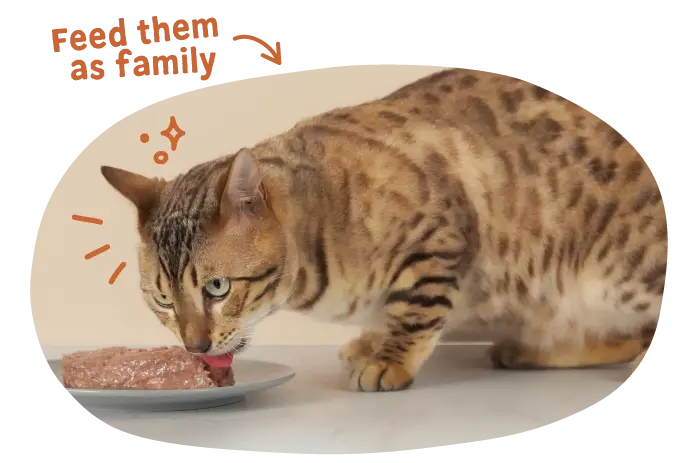
A raw, healthy diet is the most natural way to feed our cats
Cats are little carnivores, and mimicking their natural diet provides them with the best foundation for overall health. Our diets for cat are all complete and balanced, made with approximately 95% animal product, and the other 5% is vegetables and healthy ingredients to help balance the meals naturally.
Big Dog raw food for cats
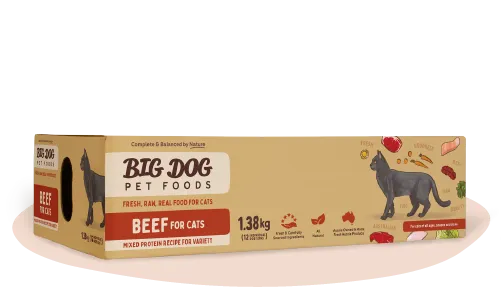
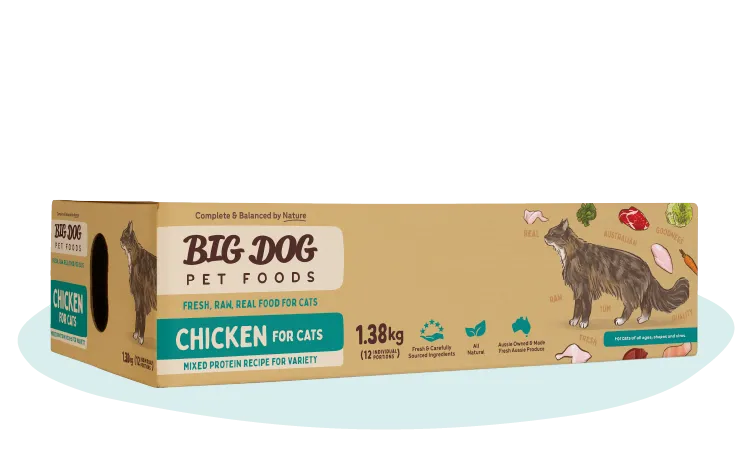

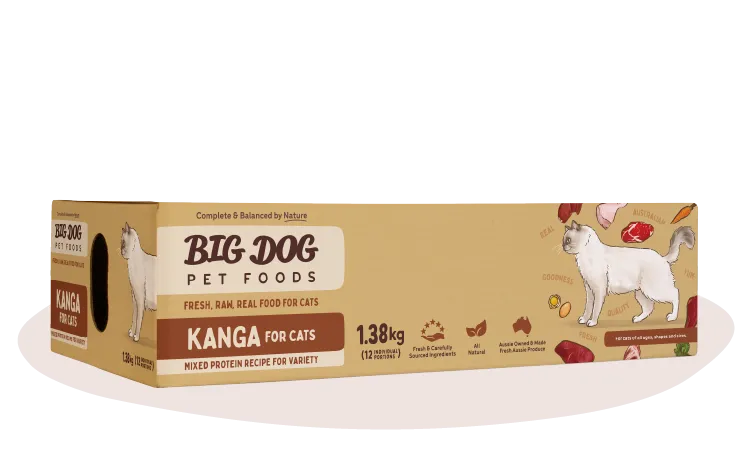


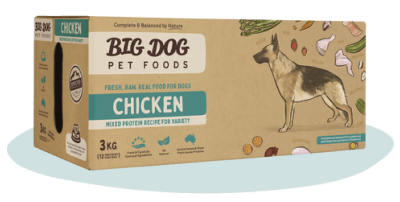
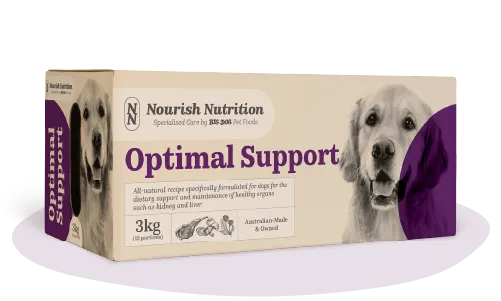

Feeding your cat is easy with Big Dog Pet Foods’ range of complete and balanced raw meals for cats and kittens.
MEATing their needs
Meat
Cats are obligate carnivores, evolving from preying on smaller animals, rodents and birds. They thrive best on a high protein, moderate fat and minimal carbohydrate diet.
Taurine
Taurine is an essential amino acid need in cats and must be obtained in adequate amounts in the diet to prevent deficiency.
Moisture
A raw, natural diet for cats is high in moisture at approximately 70%. Many processed cat foods are dehydrated with approximately 10% water content (or less). Low moisture diets impact the kidneys through chronic low level of dehydration.
Things your cat wishes you knew:

Guide for new kitten parents
How much do I feed my kitten? What do I feed my kitten? Where do I start? This guide for new kitten parents answers all your questions about raw feeding.

What's your cat's poo telling you?
One of the best insights into your cat’s health is in their litter box. This guide to your cat’s poo tells you what’s normal, what’s a little weird but ok if it’s a one-off, and when to speak to your vet. Learn what your cat’s poo is telling you.
Veterinarian advice on caring for cats
Testimonials
Frequently Asked Questions
Can I feed my kitten Big Dog for Cats?
We generally recommend our food is suitable for kittens from 12 weeks of age.
If your kitten was weaned onto a raw diet, you can generally transition straight to a 100% Big Dog Diet.
If your kitten was weaned onto a cooked or processed diet (canned food, dry food, cooked rolls) then we recommend to transition more slowly.
A raw food diet is very different to a processed cooked diet and any sudden change in diet can create stomach upsets and gradually transitioning helps to minimise this.
Please follow these guidelines, whilst monitoring your kitten's stools. You should begin to notice smaller, less smelly stools as you transition towards a 100% raw food diet. Loose stools are OK during the transitioning period, but do make sure there is no persistent, watery stools.
Day 1-3: 20% New Diet 80% Old Diet
Day 4-6: 40% New Diet 60% Old Diet
Day 7-9: 60% New Diet 40% Old Diet
Day 10-12: 80% New Diet 20% Old Diet
Day 12+: 100% New Diet
The younger the kitten, generally the easier they are to transition. If you have an older cat or a particularly fussy kitten, please refer to our transition guide here.
How much taurine is in your cat food?
Taurine is an essential amino acid in cats and must be obtained in adequate amounts in the diet to prevent deficiency.
According to the Association of American Feed Control Officials (AAFCO), the daily dietary taurine requirements for cats for growth and health maintenance is 0.20% (dry matter) per day and we easily meet these needs.
Chicken - 0.14% (as fed) - 0.50% (dry matter)
Turkey - 0.09% (as fed) - 0.32% (dry matter)
Kanga - 0.12% (as fed) 0.43% (dry matter)
Beef - 0.11% (as fed) - 0.38% (dry matter)
Combo - 0.11% (as fed) - 0.39% (dry matter)
The only time you may wish to supplement with additional Taurine would be during gestation and lactation. Feeding a few chicken hearts additionally per day is a great natural way to achieve this.
How do I transition my cat to your raw food?
The transition from kibble to raw can be long and challenging, we recommend a very slow transition. The primary reason for this is to avoid upset stomachs but also because rejection of the food is to be expected. Give your cat the time and space they need to figure out their new diet. That being said, you do not want to leave it for more than 24 hours without eating something. Cats need to eat frequently as fasting is unnatural to them and could induce a case of Hepatic Lipidosis (feline liver disease).
Find our thorough transition guide for cats here: Transitioning to our Big Dog Raw Diet for Cats