Solutions for Seniors
Support your senior dog with good quality protein and supportive nutrients to keep them active and vibrant.

Big Dog raw food for senior pets


A raw, healthy diet is the most natural way to feed our pets. Mimicking their natural diet provides them with the best foundation for overall health. As animals age, their health status changes faster than their younger counterparts. Providing your senior dog with the right diet will help. It is usually recommended to offer your senior dog a lower calorie diet as their metabolism, energy levels and exercise routine slows down. A senior dog food with good quality protein, supportive nutrients and low in calories may be the perfect option for your pet.
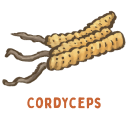
Ingredients that may support your senior dog
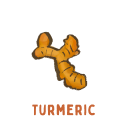
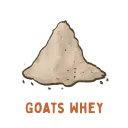
Big Dog recipes are made with high-quality, Aussie produce sourced from the human-supply chain to provide pets with fresh, raw meals that replicate their natural diet.


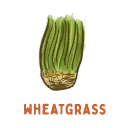

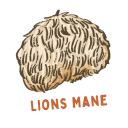
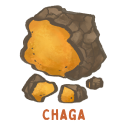
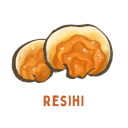
Learn More
Our team, along with trusted veterinarians and canine nutritionists, has created a wealth of educational resources to help pet parents support their pets as they age. With nutritional advice as well as lifestyle adjustments, your pet can enjoy their golden years with you.

Advice on feeding senior dogs
Canine Nutritionist, Narelle Cook, shares her advice on feeding senior dogs – which nutrients are most important and how their diet should be adjusted as they age.

Preparing for first signs of ageing
We help you prepare yourself for the first signs of ageing in your pets. Lifestyle adjustments, recipe recommendations and other resources are just a click away.

Pets can suffer from cognitive decline too?
Testimonials


Frequently Asked Questions
Whether you’re just starting your raw feeding journey or looking to make the switch to a more natural diet, we’ve got all your questions covered.
Can I feed my senior dog Big Dog?
Yes. Senior dogs can enjoy our raw foods.
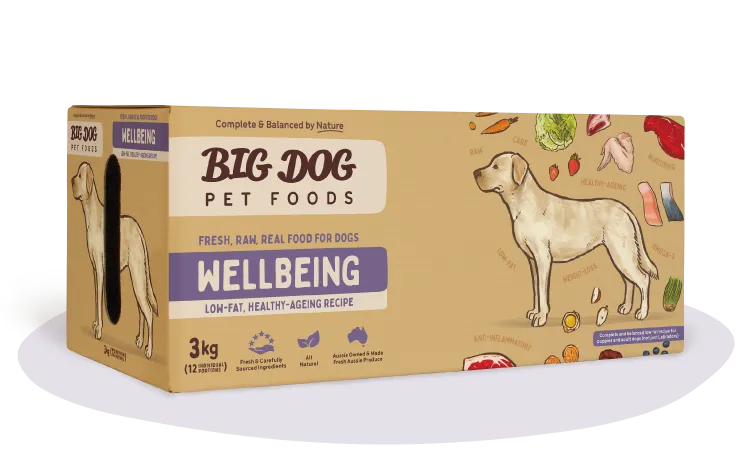
Our Wellbeing diet is formulated specifically for an ageing dog. Most ageing pets will start to put a little weight on and whilst they are just so damn cute and cuddly, just like us, it’s not recommended that they carry too much extra weight. Extra weight obviously has its own detrimental health effects, but it can also cause extra pressure on their joints. Unfortunately, there is a pattern, weight gain leads to inflammation, which leads to joint issues.
The Wellbeing diet is a lower fat diet than our standard range of diets, you will also find the protein has been reduced, not significantly, but reduced enough so we can include a more extensive range of ingredients that are anti-inflammation and assist healthy ageing.
Our Sensitive Skin recipe is loaded with anti-inflammatory ingredients, which is great for nourishing skin conditions but also fantastic for inflammatory conditions, like joint issues. Sensitive Skin raw food diet contains excellent sources of anti-inflammatory omega-3 fatty acids from whole salmon and sardines. This unique recipe is also perfect for dogs with joint issues who need anti-inflammatory dietary support to help manage this condition. Sensitive Skin is higher in fat than Wellbeing, at 13% fat.
Another low-fat option for our senior dogs is our Kanga Single Protein recipe. Kangaroo is a rich, lean protein source and a perfect alternative for dogs who are allergic to other meat proteins. Being a wild game source, Australian kangaroo has minimal to no exposure to environmental chemicals, making it even more suitable for dogs that suffer from allergies. Our Kanga recipe is a beauty and our lowest in fat at only 5%.
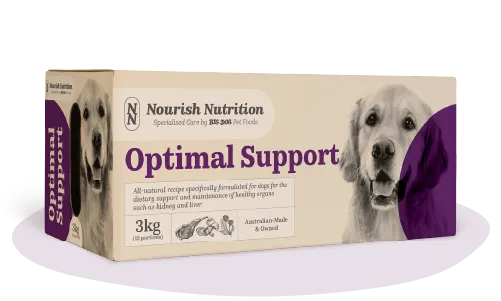
For dogs that are facing health challenges, we also have our Nourish Nutrition range. Our Joint+ Support is formulated for dogs for the dietary support of bone, muscle, joint, tendon, ligament and connective tissue. Our Optimal Support is formulated for dogs for the dietary support and maintenance of health organs such as kidney and liver.
Can I cook your food?
No. Our dog recipes contain crushed real bone. Not only does cooking change the nutritional value of the fresh healthy ingredients, cooking bone results in it becoming brittle, potentially splintering and should not be ingested by your dog in this state.
The exception to this is our Nourish Nutrition and cat recipes. While we recommend feeding them raw, it is safe to lightly cook these recipes, if necessary as they do not contain crushed bone.
How do I transition my pet to your raw food?
We always recommend slowly introducing raw diets over 2 weeks. The reason for this is to minimise any potential for stomach upsets which can happen if a change in diet is sudden. Some pets will have no issues with a quick changeover in diet, however to be sure, we do recommend slowly introducing the new food.
Day 1-3: 20% New 80% Old
Day 4-6: 40% New 60% Old
Day 7-9: 60% New 40% Old
Day 10-12: 80% New 20% Old
Day 12+: 100% New Diet
Remember, there are no preservatives in our food so it will last only 2-3 days in the fridge once defrosted.