Top 10 raw feeding rules

Big Dog Pet Foods are Australia's leading raw pet food manufacturer. Since 2000 we have been feeding pets our healthy raw food diets. Here are our top 10 raw feeding rules for pets.
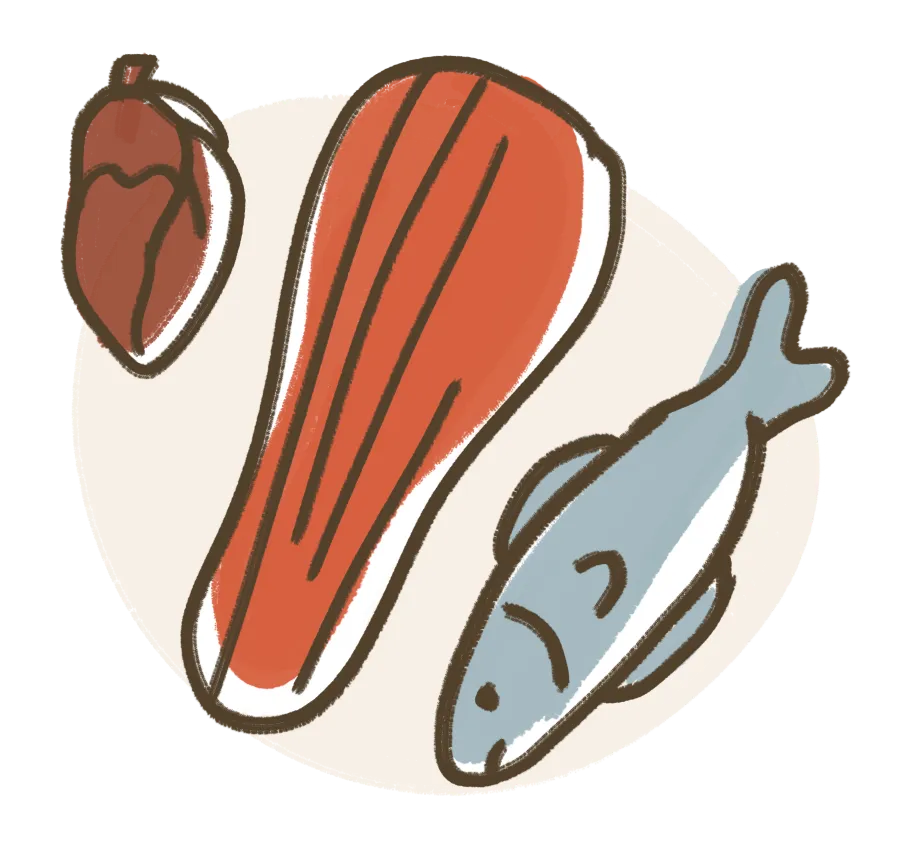
1. Majority muscle meat
The most important part of a raw diet for your pet is meat. Muscle meat is one of the richest source of complete protein for our pets and should comprise around 70% of a raw diet. Pets should also obtain omega-3 fatty acids from fish, at least once per week. Salmon and sardines are both rich in omega-3’s and an easy way to integrate omega-3‘s into your pet's diet.
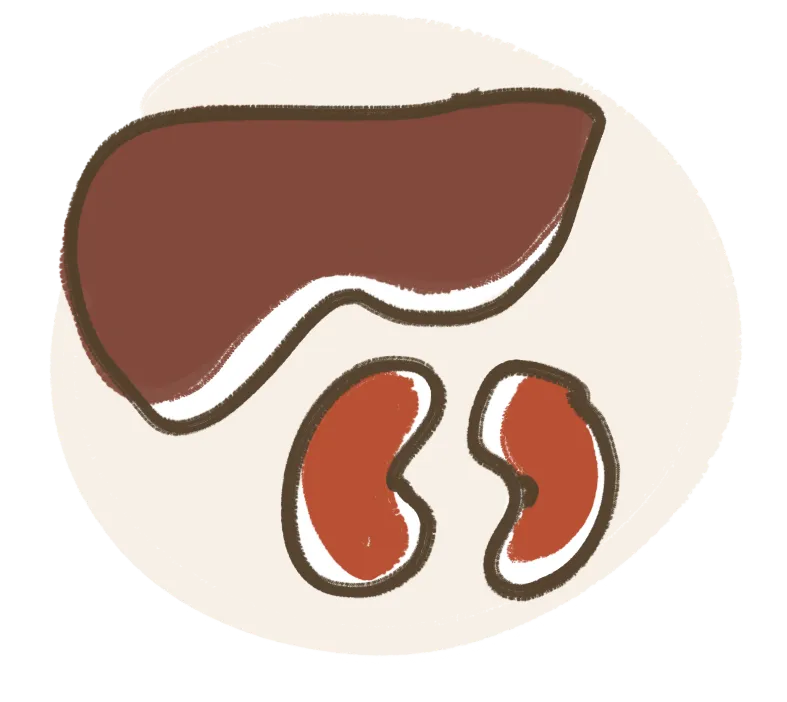
2. Organs provide nutrients and probiotics
A critical component of your pet's raw diet is organs/offal. Organs are rich sources of vitamins and minerals and are a vital part of a pet’s diet, they should make up 10% of your pets diet to be complete. Offal is often the prized possession that is first to go when our wolf ancestors would devour their prey. Liver is a highly concentrated source of critical fat-soluble vitamins and minerals including A, D, K and E, liver should comprise at least 4% of the of a home-made raw food diet.
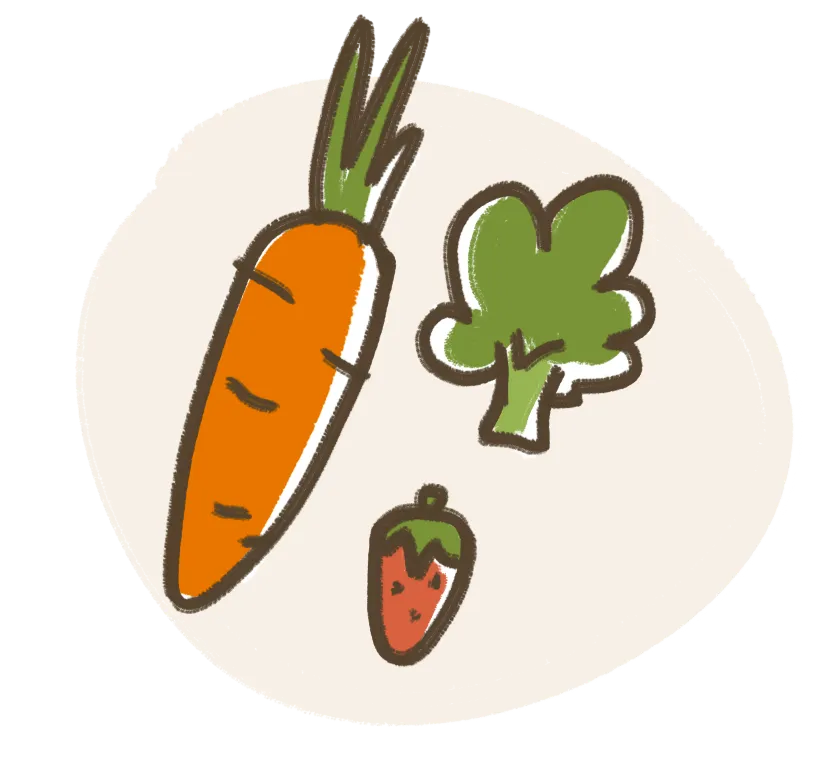
3. Boost meals with fruits and veges
A diverse selection of plant matter provides a naturally complete range of vitamins and minerals. Mostly green leafy and coloured vegetables, as well as fruits these supply antioxidants, phytonutrients, fibre and moisture as well as essential vitamins and minerals. We recommend crushing, blending or finely chopping these to make them digestible for your pets.
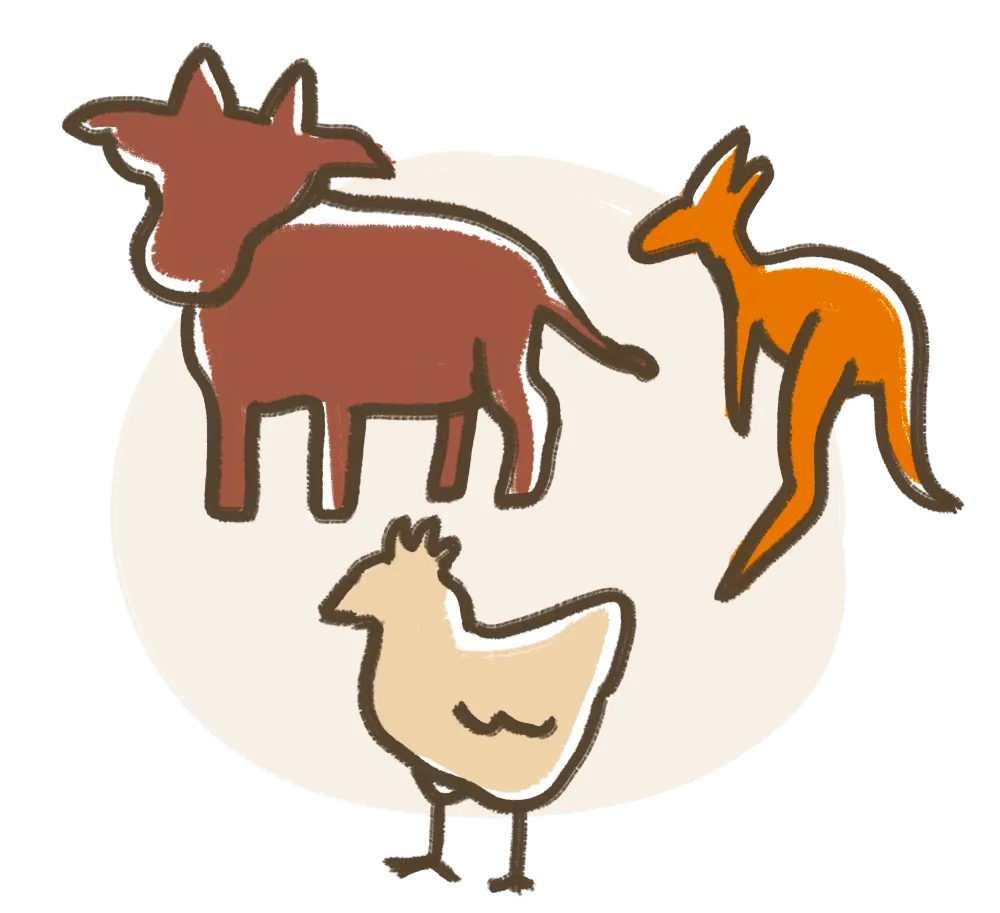
4. Variation is key
Different protein sources will all provide different ratios of nutrients that our pets fundamentally need. Feeding a mix of proteins means your pet will also be stimulated by the different flavours coming from all the different protein sources, making meals even more enjoyable for them. Another important benefit of feeding mixed protein diets is to expose your dog to as many different proteins as possible to reduce the chance of them becoming intolerant or sensitive to them. Nature's carnivores and scavengers wouldn't be picky about the meat they eat, if a goat is available - they will eat a goat. If a chicken is available - they will eat a chicken. A varied diet replicates their natural diet.
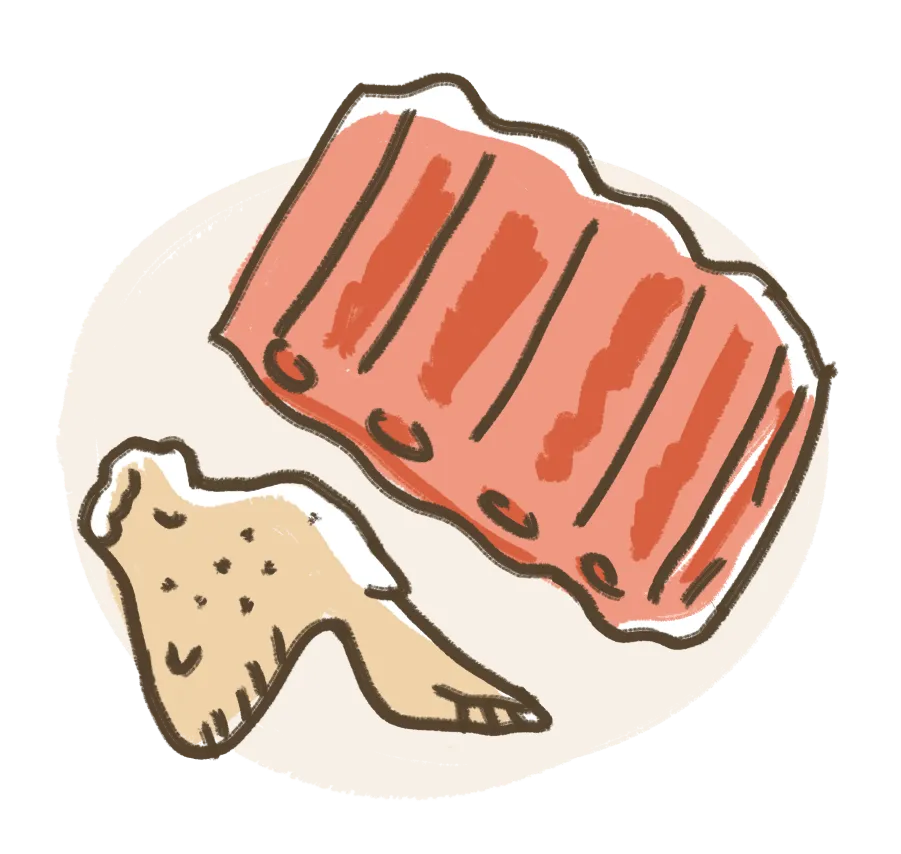
5. Don’t forget bone
As carnivores your pet is designed to digest raw bone matter, it’s in their DNA and it’s a part of who they are. Not only that, raw bones are incredibly beneficial to their mental and physical health as well. Bones are natural sources of calcium, phosphorus, glucosamine and chondroitin; all of which all play a part in maintaining joint and bone health throughout life and providing natural sources of important nutrition for your pet. Bones are considered 'nature's toothbrush'; feeding your pet raw bones can help with the prevention and removal of plaque buildup, and promote better dental health.
6. Balance
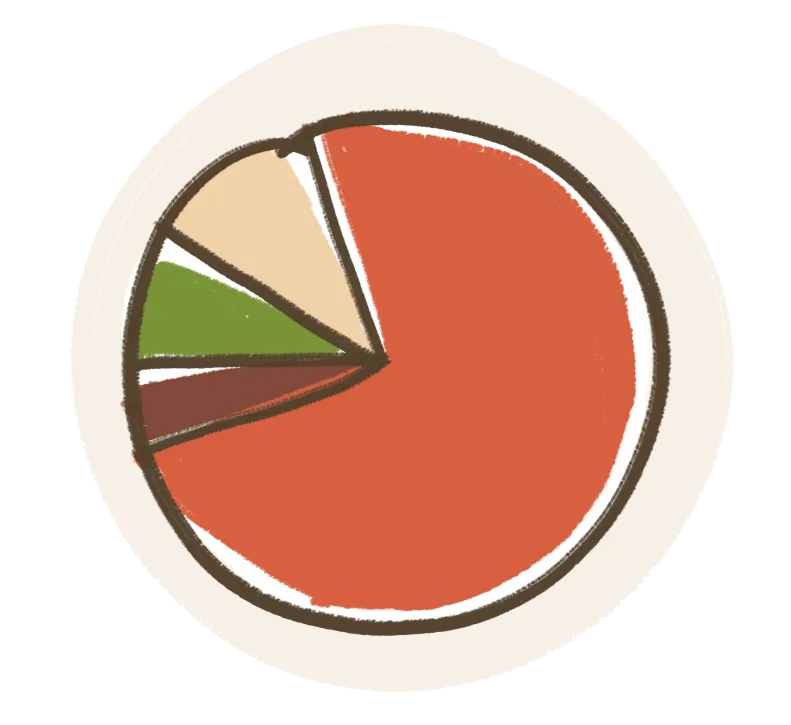
A balanced raw diet for dogs would be summarised as follows:
• 70% lean muscle meat from various sources
• 10% organs including at least 4% liver
• 10% bone with accompanying cartilage
• 10% plant matter and other healthy ingredients
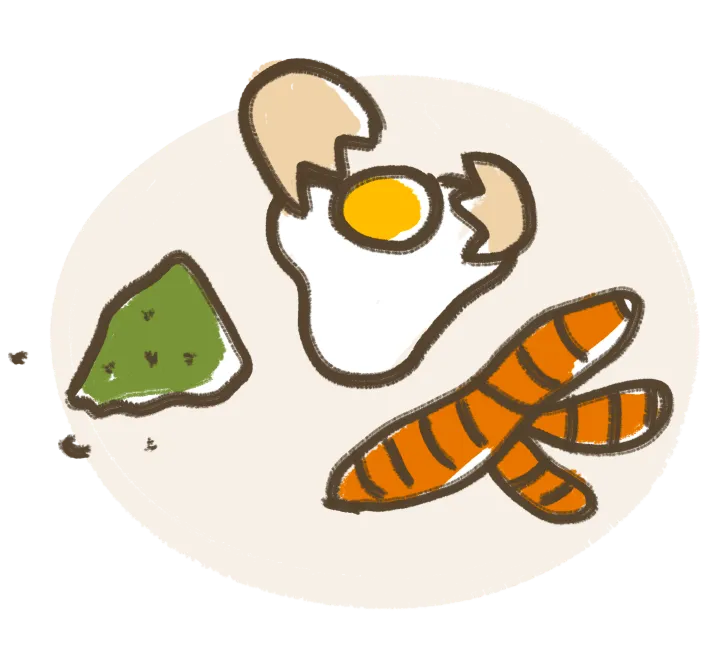
7. Include superfoods
A balanced raw diet for dogs may also include a little top up with other health promoting ingredients that include garlic in small amounts, whole eggs, kelp or spirulina, flax meal, probiotics and prebiotics, ginger, turmeric, medicinal mushrooms and any other healthy ingredients for pets.
8. Clean up!
Nature always intended dogs to eat raw, hence their bodies are biologically adept to process a raw food diet, along with the naturally occurring bacteria. The highly acidic pH of their stomach and accompanying short digestive tract assists passing of pathogens, without any health concerns. However, to be safe please ensure proper storage and handling methods are followed to avoid development of harmful bacteria. Always feed fresh and handle raw food with care. Clean up after preparing your pets raw meal and thoroughly wash your hands.

9. All natural, locally made and sourced
No artificial colours or flavours, no preservatives, no fillers, no chemicals, no irradiation of ingredients, no cooking, no synthetic vitamins, minerals or additives, no high pressure pasteurisation and no ultra-high temperature processing.
Ingredients from the human supply chain are much more rigorously regulated than “pet food”. Always look for ingredients sourced through the human supply chain and a processing facility that meets the same standards required for human-consumption meat manufacturing.
Not only is it great to be supporting your local farmers, local ingredients allow the company to tell owners that it knows entirely where each ingredient comes from and can ensure its quality and safety.

10. Show us your puppers! (and kitties)
Don’t forget to send us photos of your pets… we LOVE to see them!
Send us your pics on facebook: @bigdogpetfoods, tag us on instagram @bigdogpetfoods or email: customercare@bigdogpetfoods.com
If you'd like to learn more about raw feeding check out this episode of the Paws & Listen podcast.
Find Big Dog Pet Foods near you.
