Can dogs eat raw bones?


Can dogs eat bones?
Dogs and their bones are a match made in heaven. The natural pair have a long associated history however there’s still a lot of confusion about whether feeding bones is necessary, why it matters and whether it’s safe – so we’re here to help you choose the right bone for your dog.
Can bones be fed to your pet?
In short, yes! Dogs can eat raw bones. As carnivores your dog (or cat) is designed to digest raw bone matter, it’s in their DNA and it’s a part of who they are. Not only that, bones are incredibly beneficial to their mental and physical health as well.
Feeding raw bones can be a boredom-buster for your dog and a great alternative to chewing up household objects. However there’s also numerous physical health benefits. Bones are natural sources of calcium, phosphorus, glucosamine, chondroitin and bone marrow; all of which all play a part in maintaining joint and bone health throughout life and providing natural sources of important nutrition for your pet.
The act of chewing / grinding on bones is also why they’re often referred to as ‘nature’s toothbrush’. Feeding raw bones can help with the removal of plaque buildup which is essential when trying to prevent plaque from building up that may cause irritation and in extreme cases, gum disease.
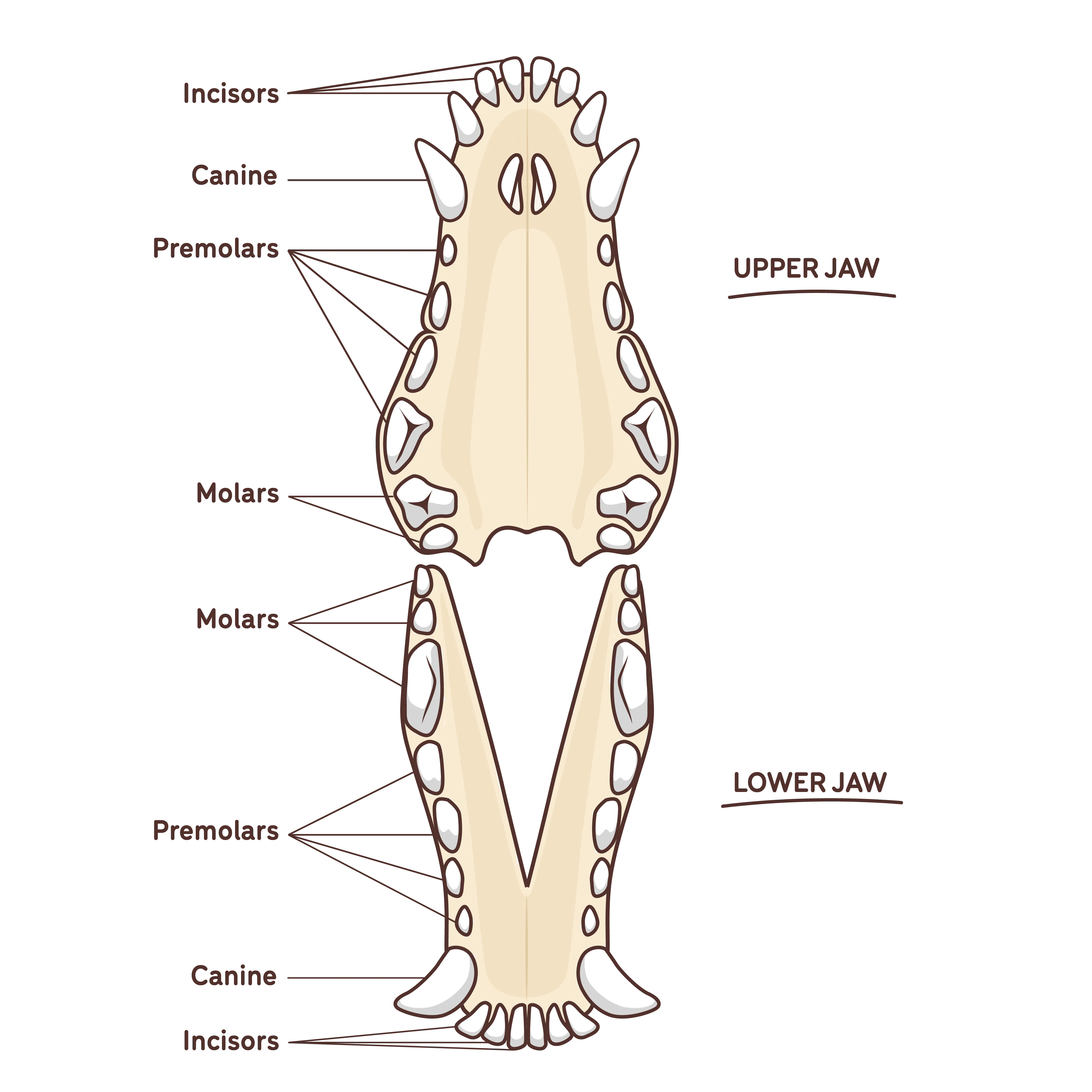
Feeding bones
So we know raw bones can help our dogs both physically and mentally, but what type of bone do we feed?! There’s different sized dogs, different sized bones and so many proteins to choose from! Here are some things to consider:
How to feed bones:
Bones should always be fed raw to our pets. When cooked, bone can become hard and brittle meaning they can hurt your dog's teeth or splinter which can potentially harm your dog. Ensuring that the bones you feed are raw and your pup is supervised while chewing are great ways to minimise potential harm.
Size of the bone:
While we have no doubts that the Chihuahuas we know could tackle any raw meaty bone given the chance, it’s important to remember that feeding bones appropriate to the size of your dog can also decrease the potential of them being harmed.
What type of bone are you feeding:
There are two categories of bones that are available for you to purchase:
Weight-bearing bones
Weight bearing bones are the bones of animals that bear a substantial amount of that animal’s weight and, because of this, they are incredibly strong. It is recommended not to feed weight bearing bones as they have the potential to crack teeth because of their density.
An example of weight-bearing bones are large beef marrow bones.
Non-weight bearing bones
These bones are considerably softer and, as the name suggests, come from non-weight bearing parts of the animal’s body, making them perfect for your dog’s teeth and much easier when it comes to cleaning the crevices of your dog’s mouth. It’s still important, even with non-weight bearing bones to supervise your pet while they are enjoying a bone. All bones are choking hazards and in the mouth of an overly excited chewer can present a risk.
But which bone do I pick?
There is a LOT of information out there on which bones to feed and why, and as pet parents we understand it can be overwhelming. To make it a bit easier we’ve created a table that we wished we had long ago.

(When it comes to feeding any type of bone, supervision is a MUST so if you’re thinking about feeding your dog a bone, ensure to watch them to minimise any choking hazards. When feeding your dog a bone it is essential that the bone is RAW. Bones that have been cooked or subject to high temperatures can become hard and brittle and potentially injure your pet. Pet parents should steer clear of weight bearing bones as the toughness of these bones has the potential to crack teeth and cause incredible discomfort for your pup, which we don’t want.)
Dogs with weight-related or health conditions such as pancreatitis or diabetes should opt for bones from leaner types of protein such as Kangaroo or Venison. Be aware that brisket bones contain a significant amount of fat. As well as this, ensure that the amount of bone in your dog’s diet is appropriate so as to not cause constipation or white stools. If you currently feed your dog a Big Dog Pet Foods diet and are looking to include extra bone for dental health, remember to adjust their Big Dog portions to ensure that they aren’t getting too much bone from their overall diet.
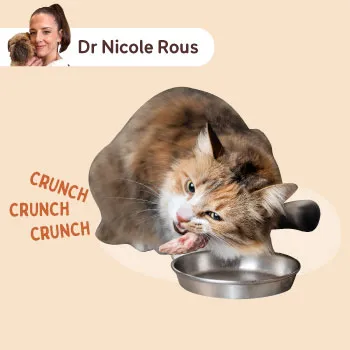
We also have this guide from Dr Nicole Rous to help you feed bones to your cat.
Related Guides

Natural ways to keep your dog's teeth clean