Types of dog vomit and what it means (vomit guide)

Jump to Section:
Why is my dog vomiting?
Types of dog vomit colour
Green dog vomit
Yellow dog vomit
White foam dog vomit
Types of dog vomit consistency
Undigested food or chunky vomit
Brown or “coffee-ground” vomit
Red or bloody vomit
Clear liquid vomit
Supporting long-term gut health for your dog with a fresh and raw diet
Few things make pet parents move faster than that unmistakable sound of a dog about to vomit. It’s unpleasant to deal with, but vomit can actually tell you a lot about your dog’s health. The colour, texture and frequency can give important clues about what’s happening inside the gut, and when it’s time to see your vet.
Vomiting is a protective reflex, triggered when the body needs to expel something irritating or when the stomach or intestines aren’t functioning normally. It can happen for simple reasons, such as eating too fast or scavenging food, but it can also signal more serious problems like pancreatitis, liver disease or toxin ingestion.
Research confirms that vomiting does occur across healthy and unwell dogs alike (Hubbard et al., 2007; Sævik et al., 2012), which is why understanding frequency, pattern and overall wellbeing is essential to determine what’s harmless and what’s not.
What is your dog’s vomit telling you?
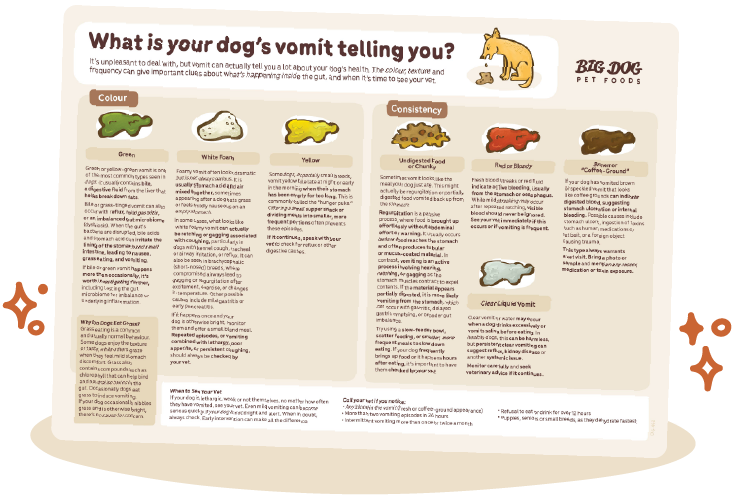
While many dogs will vomit at least once in their lifetime, it should never be considered normal. Any vomiting that repeats, is accompanied by lethargy, loss of appetite or a change in behaviour deserves investigation. Download our handy guide to understand the different types of vomit and what they mean.
|
Green Vomit |
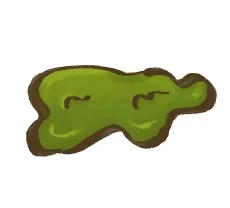
Green or yellow-green vomit is one of the most common types seen in dogs. It usually contains bile, a digestive fluid from the liver that helps break down fats. When bile irritates the stomach lining, particularly after long fasting periods, it can trigger vomiting.
Bile or grass-tinged vomit can also occur with reflux, mild gastritis, or an imbalanced gut microbiome (dysbiosis). When the gut’s bacteria are disrupted, bile acids and stomach acid can irritate the lining of the stomach and small intestine, leading to nausea, grass eating, and vomiting.
Keeping meal times consistent and feeding a fresh, minimally processed diet supports gut health, maintains the integrity of the gut lining, and reduces inflammation that contributes to 'leaky gut.' If bile or green vomit happens more than occasionally, it’s worth investigating further, including testing the gut microbiome for imbalance or underlying inflammation.

|
Yellow Vomit |
Some dogs, especially small breeds, vomit yellow bile late at night or early in the morning when their stomach has been empty for too long. This is commonly called the “hunger puke.” Offering a small supper snack or dividing meals into smaller, more frequent portions often prevents these episodes. If it continues, speak with your vet to check for reflux or other digestive causes.
|
White Foam |
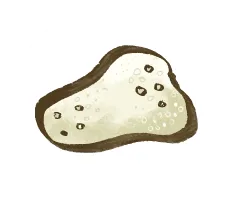
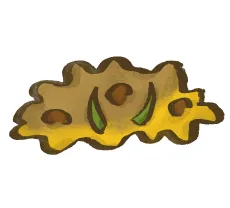
Foamy vomit often looks dramatic but is not always serious. It is usually stomach acid and air mixed together, sometimes appearing after a dog eats grass or feels mildly nauseous on an empty stomach.
In some cases, what looks like white foamy vomit can actually be retching or gagging associated with coughing, particularly in dogs with kennel cough, tracheal irritation, or reflux. It can also be seen in brachycephalic (short-nosed) breeds such as French Bulldogs and Pugs, where compromised airways lead to gagging or regurgitation after excitement, exercise, or changes in temperature.
Possible causes include acid reflux, mild gastritis, early pancreatitis, retching from coughing, airway irritation, or brachycephalic airway compromise. If it happens once and your dog is otherwise bright, monitor them and offer a small bland meal. Repeated episodes, or vomiting combined with lethargy, poor appetite, or persistent coughing, should always be checked by your vet.
|
Undigested Food or Chunky Vomit |
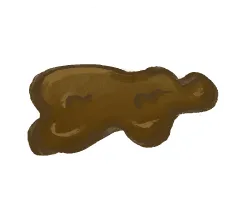
Sometimes vomit looks like the meal your dog just ate. This might actually be regurgitation, but not always, partially digested food can also be vomited back up from the stomach.
The key difference is that regurgitation is a passive process, where food is brought up effortlessly without abdominal effort or warning. In contrast, vomiting is an active process involving heaving, retching, or gagging as the stomach muscles contract to expel contents.
Regurgitation usually occurs before food reaches the stomach and often produces tubular or mucus-coated material. It is more common in brachycephalic (short-nosed) breeds, such as French Bulldogs and Pugs, where airway pressure changes can lead to reflux, oesophagitis, or even small hiatal hernias (Poncet et al., 2005). If the material appears partially digested, it is more likely vomiting from the stomach, which can occur with gastritis, delayed gastric emptying, or broader gut imbalance. Emerging evidence suggests that dysbiosis, an imbalance in the gut microbiome, may also affect stomach and oesophageal motility, contributing to reflux and regurgitation over time (Liversidge et al., 2024).
Try using a slow-feeder bowl, scatter feeding, or smaller, more frequent meals to slow down eating. If your dog frequently brings up food or it happens hours after eating, it’s important to have them checked by your vet.
|
Brown or “Coffee-Ground” Vomit |
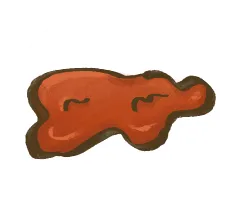
This type always warrants a vet visit. If your dog has vomited brown or speckled vomit that looks like coffee grounds can indicate digested blood, suggesting stomach ulceration or internal bleeding. Possible causes include stomach ulcers, ingestion of toxins such as human medications or rat bait, or a foreign object causing trauma. Bring a photo or sample to your vet and mention any recent medication or toxin exposure.
|
Red or Bloody Vomit |
Fresh blood streaks or red fluid indicate active bleeding, usually from the stomach or oesophagus. While mild streaking may occur after repeated retching, visible blood should never be ignored. See your vet immediately if this occurs or if vomiting is frequent.

|
Clear Liquid Vomit |
Clear vomit or water may occur when a dog drinks excessively or vomits saliva before eating. In healthy dogs, this can be harmless, but persistent clear vomiting can suggest reflux, kidney disease or another systemic issue. Monitor carefully and seek veterinary advice if it continues.

For mild, one-off episodes, rest the gut briefly and offer bland foods such as boiled turkey, pumpkin or bone broth. Gradually reintroduce regular meals once settled.
Long-term, support your dog’s gut health through:
• A balanced, fresh food diet rich in natural nutrients and enzymes
• Regular use of synbiotics or probiotics to maintain a healthy microbiome
• Consistent meal times and avoiding long fasting periods
These steps help maintain digestive balance and reduce the likelihood of future vomiting. Fresh food diets such as Big Dog Pet Foods are designed to support natural gut health and resilience.
About the Author - Dr Nicole Rous

References
1. Hubbard, K., et al. (2007). Risk of vomiting and diarrhoea in dogs. Veterinary Record, 161(22): 755–757.
2. Sævik, B.K., Skancke, E., & Trangerud, C. (2012). A longitudinal study on diarrhoea and vomiting in young dogs of four large breeds. Acta Veterinaria Scandinavica, 54(8).
3. Elwood, C.M., & Smith, F.W.K. (2010). Emesis in dogs: a review. Journal of Small Animal Practice, 51(1). 4-22.
4. Poncet, C.M., et al. (2005). Prevalence of gastrointestinal tract lesions in 73 brachycephalic dogs with upper respiratory syndrome. Journal of Small Animal Practice, 46(6), 273–279.
5. Liversidge, B.D., Gomez, D.E., Dodd, S.A.S., MacNicol, J.L., Adolphe, J.L., Blois, S.L., & Verbrugghe, A. (2024). Comparison of the fecal microbiota of adult healthy dogs fed a plant-based or animal-based diet. Frontiers in Microbiology, 15, 1367493.
Related Guides

Why is my pet vomiting?