New Year’s Resolutions for Your Dog

Five simple habits that transform health, happiness and longevity
As we step into a new year full of fresh intentions and better habits, it is the perfect time to think about the goals we set for our dogs as well. Just like us, our pets thrive when their physical, emotional and nutritional needs are consistently supported. Small daily habits create the biggest long-term change.
Here are five New Year’s resolutions that will genuinely make a difference to your dog’s health, happiness and longevity.
1. Teach Your Dog One New Trick This Year
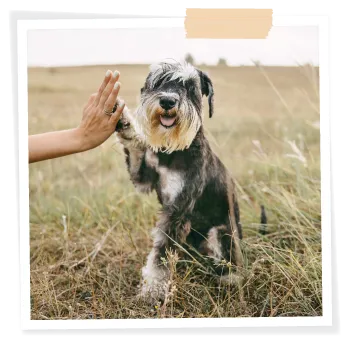
A small habit that gives big brain benefits.
Mental enrichment is one of the most underrated parts of dog care. Our dogs are natural problem solvers and pattern learners. Teaching a new trick is a simple way to keep their brain active without needing hours of training each week.
Set an achievable goal: teach your dog one new trick this year. Practice it for a few minutes each week. This is enough to support healthy cognitive ageing and reduce boredom-related behaviours. Research in canine cognition shows that regular mental challenges activate the learning and reward centres of the brain, improving confidence and emotional regulation (Berns et al., 2012).
Choose something fun or functional such as touch, spin, bow or settle on a mat. Short, positive sessions build your dog’s mental fitness the same way walking builds physical fitness. It is one of the simplest changes you can make.
2. Prioritise Daily Chew Time

Twenty minutes of chewing supports dental health, brain health and emotional wellbeing.
Chewing is a biologically normal behaviour that dogs are deeply wired to do. It strengthens the jaw, cleans teeth, stimulates saliva flow and exercises the gums. Chewing also releases calming endorphins and helps regulate the nervous system, making it useful for anxious and high-energy dogs.
Aim for 20 minutes of safe, supervised chewing every day. Natural options include raw meaty bones suitable for your dog’s size and chewing style, freeze-dried animal parts or long-lasting natural chews. If raw bones are not appropriate for your dog, consider wholefood dental chews or frozen puzzle toys.
This single daily habit supports dental hygiene, emotional regulation, behavioural balance and enrichment.
3. Add Spectrum Raw Meat to the Weekly Diet
Fresh, minimally processed food improves gut health, immunity and longevity.
Nutrition is one of the most influential drivers of long-term wellbeing. Even if you are not ready to transition fully to fresh or balanced raw feeding, offering spectrum raw meats each week provides genuine benefits.
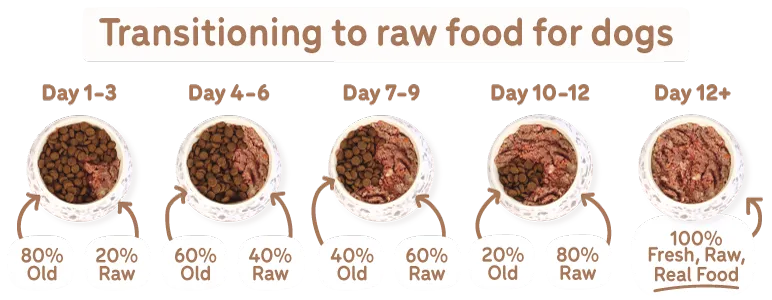
Spectrum means variety. Offering different proteins across the month, such as chicken, turkey, duck, beef, lamb, pork and oily fish, provides a broader range of amino acids, micronutrients and bioactive compounds. These support immune function, muscle maintenance, skin health and the microbiome.
Dietary diversity also supports a richer, more resilient gut microbiome. Ideally, choose a balanced raw formulation or a reputable fresh-food brand so your dog receives appropriate calcium and essential nutrients. Even adding two or three raw meals per week is enough to create measurable benefits.
4. Commit to a Minimum of 10,000 Steps Per Day
Movement influences weight, joint mobility, heart health and behaviour.

One of the healthiest resolutions you can make this year is to aim for a minimum of 10,000 steps per day for both you and your dog. While the exact number is not magical, the principle is important. Most dogs simply do not move enough.
Daily movement helps with weight control, joint health, cardiovascular fitness, digestion and mental wellbeing. Dogs thrive with structured walks, safe off-lead exploration, sniffing time and short bursts of play throughout the day. Sniffing is particularly enriching, as it activates the olfactory brain and lowers stress hormones.
You do not need to reach 10,000 steps in one go. Spread it through the day with a morning walk, a lunchtime stretch and an evening play session. For older or arthritic dogs, adjust the pace and frequency to suit their needs.
5. Avoid Leaving Your Dog Alone for More Than Six Hours
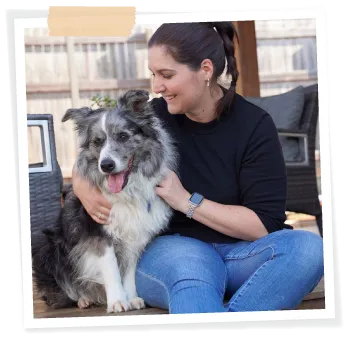
Long periods of isolation affect behaviour, stress and overall wellbeing.
In Sweden, animal-welfare guidelines recommend that no dog be left alone for more than six hours. This reflects what we know scientifically. Dogs are social animals. Long periods of isolation can increase anxiety, stress, boredom and destructive behaviours. Some dogs may develop separation-related distress.
If your schedule means you will be out longer than six hours, plan support. Options include a dog walker, a neighbour check-in, a pet sitter, dog daycare or sharing responsibilities between household members. Even a short midday visit can significantly improve your dog’s emotional wellbeing.
This is not about guilt. It is about creating a routine that respects your dog’s social needs and keeps them emotionally balanced.
Setting Your Dog Up for a Thriving Year
Small changes matter. A new trick learned slowly across a year, daily chewing, more fresh food, consistent movement and reduced loneliness are realistic, sustainable habits that enrich your dog’s physical, emotional and nutritional world.
When our dogs thrive, so do we.
About the Author - Dr Nicole Rous

Reference
Berns GS et al. Functional MRI in awake unrestrained dogs reveals neural mechanisms associated with reward and learning. PLoS One. 2012.
